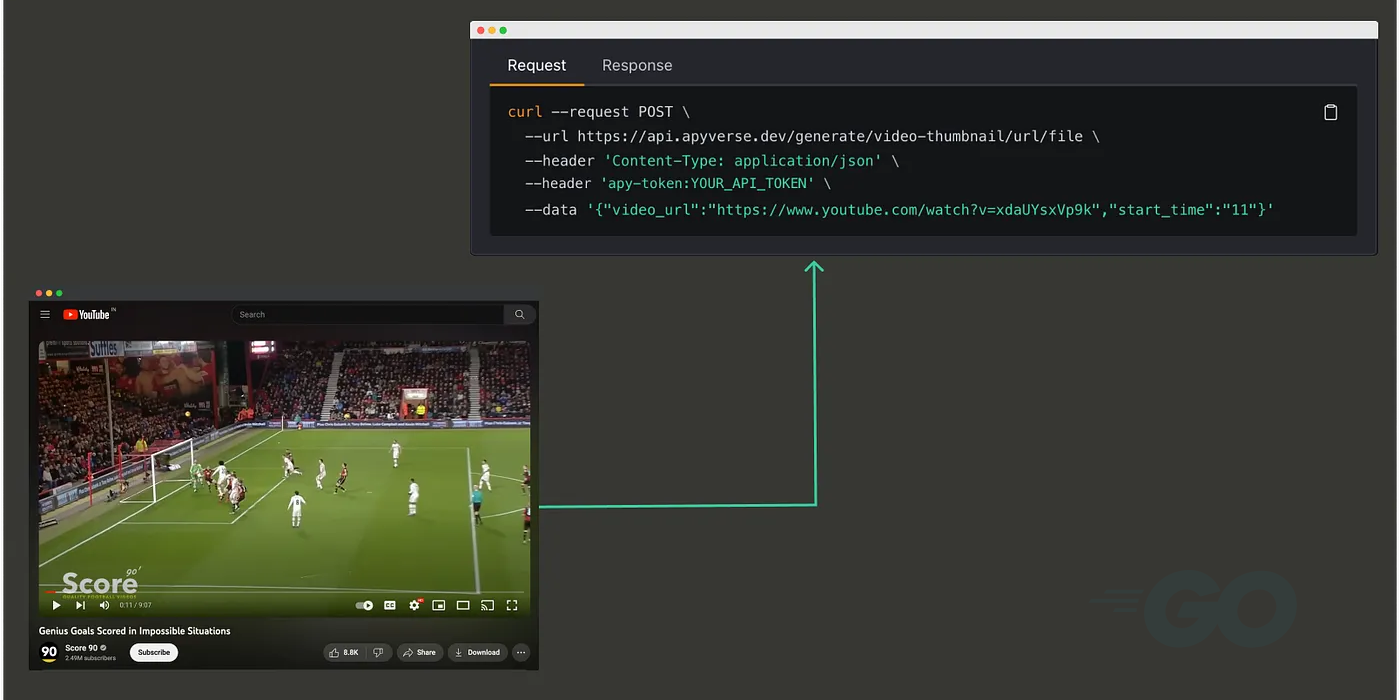
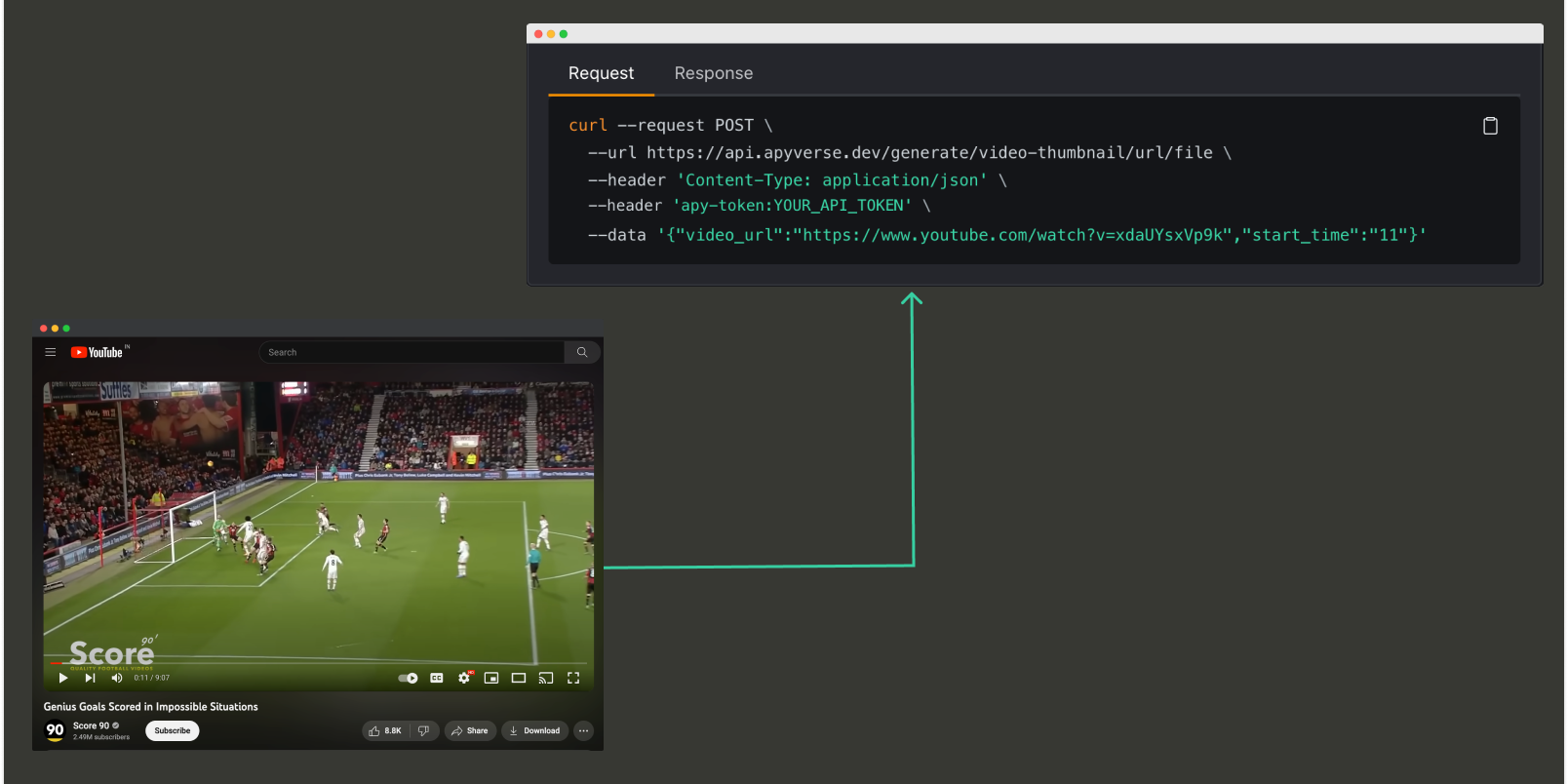
About this endpoint
What this endpoint does
Image to Video Generator turns a photo into a short animated MP4 using the Wan2.2-TI2V-5B model. Send an image (base64-encoded) and a prompt describing the motion, and optionally tune quality (fast or best) and resolution (sd or hd).
The POST /v1/video/i2v endpoint starts a generation task asynchronously and returns only status and task_id — it does not return the video itself. Use the paired job-check endpoint GET /v1/i2v/tasks/:task_id to poll progress until the job reaches completed or error. Only that job-check response includes an output_url field, and only once status is completed — it is never present in the submit response.
Use Image to Video Generator when you want to animate a product photo, portrait, or scene image into a short cinematic clip while keeping the composition of the source photo.
Request Body
| Parameter | Type | Mandatory | Description |
|---|---|---|---|
| prompt | String | Yes | The text description of the motion to generate. |
| image | String | Yes | Base64-encoded source image to animate. |
| quality | ENUM | No | Generation quality tier. Allowed values: fast, best. Default: best. |
| resolution | ENUM | No | Output resolution tier. Allowed values: sd, hd. Default: hd. |
Response
Returns a JSON object with status and task_id string fields. Unlike the LTX/LTX-2 submit endpoints, no message field is returned here.
| Parameter | Type | Mandatory | Description |
|---|---|---|---|
| status | String | No | Job status. Example: processing. |
| task_id | String | No | The job identifier to use when checking progress. |
Notes
This endpoint kicks off an async job and returns immediately with a job identifier; the actual work runs in the background. Pair this call with the wan-image-to-video endpoint (GET /v1/i2v/tasks/:task_id) — poll that until the status reaches a terminal state to retrieve the result. Extract the job id from task_id.
Notes: Image-to-video with Wan2.2-TI2V-5B on a dedicated NVIDIA RTX 5090. Generates a ~5-second clip in roughly 1-3 minutes depending on quality/resolution tier — slower than the LTX models but higher-fidelity image-to-video conditioning.