
API Integration Challenges Explained: Real-World Impact

Most American businesses now depend on complex webs of software connections, yet nearly 40 percent face ongoing API integration setbacks. As organizations adopt cloud services and advanced analytics, linking diverse systems together smoothly becomes urgent for growth and security. This guide uncovers the core API integration challenges modern teams encounter and offers practical insights that help any American company achieve seamless technological progress.
01Table of Contents
- Defining API Integration Challenges Today
- Types of API Integration Issues Developers Face
- Core Factors Shaping API Integration Success
- Security, Compliance, and Data Privacy Concerns
- Best Practices to Overcome Integration Obstacles
02Key Takeaways
| Point | Details |
|---|---|
| API Integration Challenges | Organizations face complexities in API integration, including authentication, data synchronization, and performance optimization. |
| Security Concerns | Security vulnerabilities are prevalent; implementing adaptive security measures is essential for robust protection. |
| Documentation and Communication | Clear documentation and effective cross-team communication are crucial for successful integration processes. |
| Proactive Testing | Conducting thorough pre-integration testing helps identify potential bottlenecks and performance issues before deployment. |
03Defining API Integration Challenges Today
The landscape of API integration continues to evolve dramatically, presenting complex technical and strategic challenges for modern development teams. Organizations increasingly rely on interconnected software systems, which demands sophisticated approaches to seamlessly linking diverse technological platforms and services. Transformative API-led integration architectures now represent critical infrastructure for enterprises seeking enhanced operational efficiency and scalability.
Modern API integration encounters multiple fundamental challenges that span technical complexity, security concerns, and architectural limitations. These challenges include managing authentication protocols, handling data consistency across different systems, managing version control, ensuring real-time performance, and maintaining robust error handling mechanisms. Development teams must navigate intricate middleware solutions and RESTful architectural constraints while maintaining system reliability and minimizing potential integration friction.
The core challenges of API integration can be systematically categorized into several key dimensions:
- Authentication and Security: Implementing secure access mechanisms
- Data Synchronization: Ensuring consistent information flow between systems
- Performance Optimization: Managing latency and response times
- Scalability: Designing flexible integration architectures
- Compliance: Meeting regulatory standards across different technological environments
Pro Tip for API Integration Success: Always conduct comprehensive pre-integration testing using realistic workload simulations to identify potential bottlenecks and performance limitations before full deployment.
Here's how key API integration challenges can impact business operations:
| Challenge Area | Direct Business Impact | Mitigation Strategy |
|---|---|---|
| Authentication | Increased risk of unauthorized access | Enforce adaptive authentication |
| Data Synchronization | Inconsistent data across systems | Implement real-time data replication |
| Performance | Delayed service delivery | Optimize request routing and caching |
| Scalability | Inability to handle growth | Employ modular cloud-based architectures |
| Compliance | Legal penalties and loss of trust | Align processes with current regulations |
04Types of API Integration Issues Developers Face
The complexity of modern software development introduces numerous API integration challenges that developers must skillfully navigate. Microservice API evolution strategies reveal six critical challenges that consistently impede smooth technological interconnectivity. These challenges range from technical implementation hurdles to complex communication and versioning problems that can significantly disrupt system performance and reliability.
Developers frequently encounter multifaceted integration issues across different technological domains. Security represents a particularly critical area of concern, with systematic research identifying 30 distinct security API misuses that can compromise system integrity. Common integration challenges include:
- Version Control Complexity: Managing API version transitions and deprecations
- Security Vulnerabilities: Identifying and mitigating potential API security risks
- Performance Bottlenecks: Addressing latency and response time limitations
- Compatibility Issues: Ensuring smooth interoperability between different technological platforms
- Documentation Gaps: Navigating incomplete or unclear API documentation
Beyond technical implementation, developers must also wrestle with organizational and communication challenges that emerge during API integration processes. These include managing stakeholder expectations, maintaining backward compatibility, and creating robust error handling mechanisms that provide meaningful feedback without exposing system vulnerabilities.

Pro Tip for API Integration Management: Implement comprehensive automated testing frameworks that simulate realistic integration scenarios and continuously monitor API performance to proactively identify and resolve potential integration challenges before they impact production systems.
Below is a summary of common API integration issues and recommended modern solutions:
| Issue Type | Example Scenario | Effective Solution |
|---|---|---|
| Version Control | Conflicting API versions in use | Automated dependency management |
| Security Vulnerabilities | Exposed endpoints to attacks | Continuous security assessments |
| Performance Bottlenecks | Slow API responses under load | Application performance monitoring |
| Compatibility Challenges | Legacy system integration failures | Dedicated interoperability layers |
| Incomplete Documentation | Developers blocked during onboarding | Dynamic documentation generation |
05Core Factors Shaping API Integration Success
Successful API integration hinges on a complex interplay of technical, strategic, and organizational factors that demand meticulous attention and sophisticated management. Configurable rule engines for detecting structural violations in API specifications underscore the critical importance of early validation and comprehensive governance in ensuring seamless technological interconnectivity.
Development teams must navigate multiple critical dimensions to achieve robust API integration. These dimensions include technical design, security protocols, performance optimization, and scalability considerations. Modern integration efforts increasingly rely on advanced validation techniques that go beyond traditional compliance checks, focusing on non-functional requirements that determine long-term system reliability and adaptability.
Key factors driving API integration success include:
- Specification Validation: Rigorous early-stage specification testing
- Security Architecture: Implementing comprehensive authentication and access control mechanisms
- Performance Monitoring: Continuous tracking of API response times and reliability
- Scalability Design: Creating flexible architectures that support future growth
- Documentation Quality: Providing clear, comprehensive technical documentation
Emerging research on large language models highlights additional challenges in API integration, particularly around automated code generation and endpoint management. These insights reveal the ongoing complexity of creating reliable, efficient API connections in increasingly sophisticated technological ecosystems.
Pro Tip for Integration Excellence: Develop a systematic validation framework that combines automated testing, manual review, and continuous monitoring to proactively identify and mitigate potential API integration risks before they impact production environments.
06Security, Compliance, and Data Privacy Concerns
API integration introduces a complex landscape of security vulnerabilities that demand sophisticated, proactive management strategies. Systematic reviews of security API misuses reveal 30 distinct potential breach points, highlighting the intricate challenges developers face in maintaining robust technological defenses.
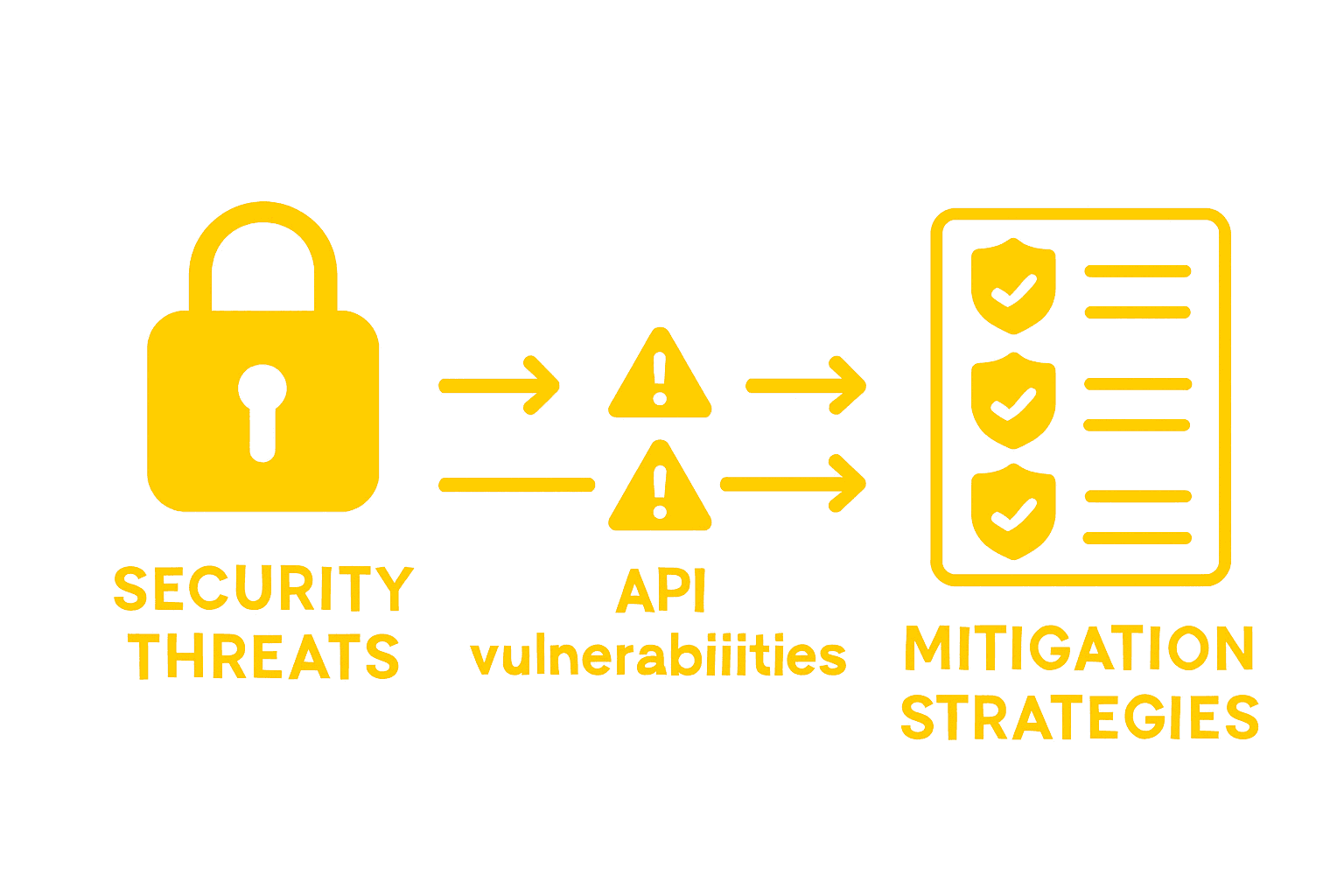
Modern organizations must navigate a multifaceted approach to API security that encompasses technical implementation, regulatory compliance, and data protection protocols. Configurable rule engines for detecting structural violations represent critical tools in identifying potential security weaknesses before they can be exploited, enabling enterprises to implement comprehensive governance frameworks.
The primary security, compliance, and data privacy concerns in API integration can be categorized into several critical domains:
- Authentication Mechanisms: Implementing multi-factor and adaptive authentication protocols
- Data Encryption: Ensuring end-to-end encryption for sensitive information transfers
- Access Control: Developing granular permission management systems
- Regulatory Compliance: Meeting industry-specific data protection standards
- Audit Tracking: Maintaining comprehensive logs of API interactions and access attempts
Beyond technical implementations, organizations must develop holistic security strategies that address human factors, technological vulnerabilities, and evolving regulatory landscapes. This requires continuous monitoring, regular security assessments, and adaptive security architectures that can respond quickly to emerging threats.
Pro Tip for Security Resilience: Create a comprehensive security baseline that includes automated vulnerability scanning, regular penetration testing, and a rapid incident response protocol to proactively identify and mitigate potential API security risks.
07Best Practices to Overcome Integration Obstacles
Successful API integration demands a strategic approach that transcends traditional technical implementation. Microservice API evolution strategies highlight the critical importance of systematic collaboration and compatibility management, revealing nuanced approaches to mitigating complex integration challenges.
Development teams must adopt comprehensive methodologies that address the multifaceted nature of technological interconnectivity. Configurable rule engines for detecting structural violations represent sophisticated tools that enable proactive identification and resolution of potential integration barriers before they compromise system performance.
Key best practices for overcoming API integration obstacles include:
- Backward Compatibility: Maintaining consistent interface design across versions
- Clear Documentation: Creating comprehensive, accessible technical specifications
- Versioning Strategies: Implementing robust version management protocols
- Cross-Team Communication: Establishing transparent collaboration mechanisms
- Continuous Validation: Developing automated testing and monitoring frameworks
Successful integration requires a holistic approach that balances technical precision with strategic organizational alignment. This involves creating flexible architectural designs that can adapt to evolving technological landscapes while maintaining rigorous performance and security standards.
Pro Tip for Integration Success: Implement a structured API governance framework that combines automated validation tools, comprehensive documentation practices, and regular cross-functional review processes to proactively identify and mitigate potential integration challenges.
08Simplify Your API Integration Challenges with Trusted Solutions
The article highlights real-world API integration challenges such as security risks, version control issues, and performance bottlenecks that can slow your development and impact business operations. If you find yourself overwhelmed by managing authentication, data synchronization, or compliance requirements, you are not alone. These pain points demand reliable, well-documented APIs that reduce complexity and speed up your workflows.
ApyHub offers a comprehensive API marketplace designed to streamline your software development by providing over 150 pre-built, certified APIs covering areas like security, AI, and data processing. Each API comes with transparent certification on data privacy and compliance standards, empowering you to build with confidence and maintain robust integration governance.
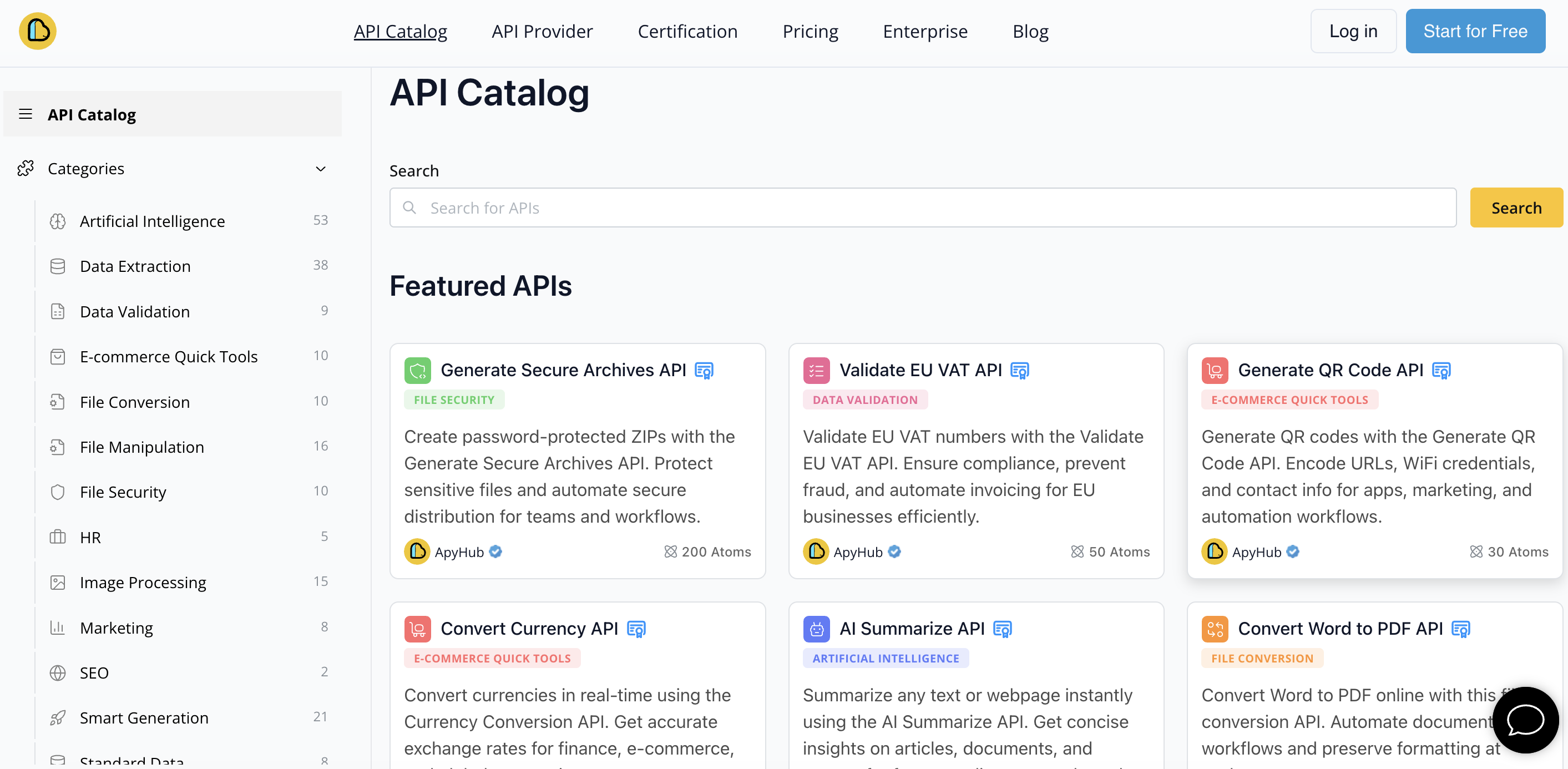
Discover how you can overcome integration obstacles now. Explore ApyHub’s platform to find secure, scalable APIs that fit your technical and organizational needs. Don’t let common API challenges hold back your projects. Start accelerating your development and gain full control over your API integrations today.
09Frequently Asked Questions
What are the main challenges of API integration?
The main challenges of API integration include managing authentication and security, ensuring data synchronization, optimizing performance, handling version control complexity, and adhering to compliance standards.
How can organizations enhance the security of their API integrations?
Organizations can enhance API security by implementing multi-factor authentication, utilizing end-to-end encryption for sensitive data, establishing granular access control mechanisms, and conducting regular security assessments to identify vulnerabilities.
Why is performance optimization critical for API integration?
Performance optimization is critical for API integration as it directly impacts response times and service delivery, ensuring that applications operate smoothly even under heavy load and improve overall user experience.
What best practices should be followed to overcome API integration obstacles?
Best practices for overcoming API integration obstacles include maintaining backward compatibility, providing clear documentation, implementing robust versioning strategies, fostering cross-team communication, and incorporating continuous validation and testing protocols.