Manipulating Files with ApyHub
Edit, merge, and optimize files via APIs
Merge multiple documents or split large files to simplify content management.
Resize and annotate images to enhance marketing materials or product catalogs.
Automate document editing within workflows to speed up contract processing and approvals.
Integrate file manipulation into content platforms to deliver seamless user experiences and save time.
Most Popular use cases for file manipulations using APIs
Create Engaging Visual Previews Automatically
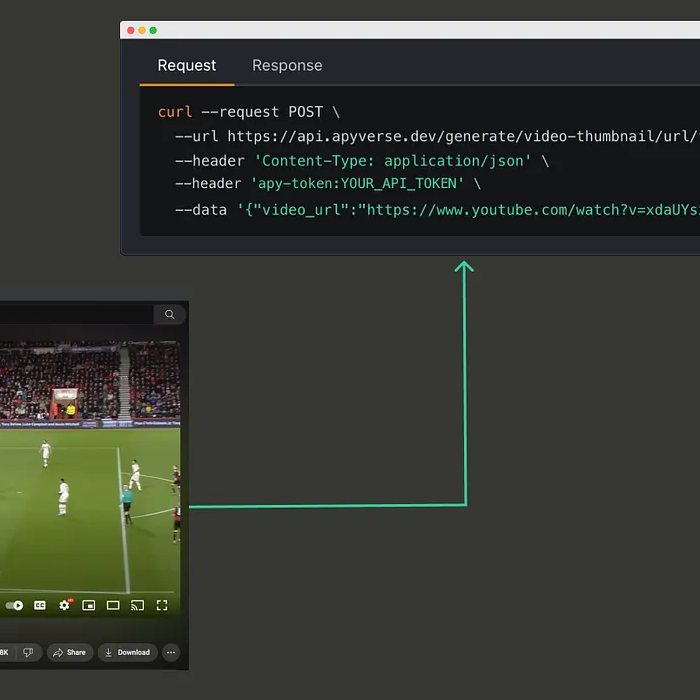
Generate image thumbnails on-the-fly to improve load times and user experience.
Automate thumbnail creation for galleries, CMS, or app content, enabling faster previews and smoother browsing across platforms. Perfect for media-heavy sites or ecommerce stores showcasing multiple product images.
Enhance and Customize Images at Scale
Apply filters, rotate, flip, and adjust brightness or contrast programmatically.
Use image manipulation APIs to standardize visual aesthetics or create custom looks across thousands of images without manual editing. Ideal for marketing teams and content platforms that need consistent, high-quality visuals.
Protect Privacy and Optimize Images for Sharing
Remove metadata such as GPS and copyright information to safeguard user privacy.
Strip and remove unnecessary metadata from images before publishing or sharing to ensure compliance and protect sensitive details, all while optimizing image files for faster loading and better performance.
Isolate Subjects and Resize Images for Perfect Fit
Automatically remove backgrounds and resize images to suit any format or device.
Use background removal APIs to create clean, professional visuals and resize images programmatically for websites, apps, or ecommerce listings—saving time and ensuring consistent presentation everywhere.
Building applications around File-Manipulation
A curated set of APIs to power core file-manipulation workflows

Audio Extractor from Video Job API
Automate your video workflows with our Audio Extractor API. Extract audio from video in seconds in MP3, WAV, AAC, OGG, or FLAC.


Compress Video Job API
Compress videos efficiently with this Online Video Compressor Video Job API. Reduce file size for faster uploads, lower bandwidth, and smoother streaming in apps and platforms.
Remove Image Metadata API
Remove metadata from images using the Remove Image Metadata API. Strip GPS, tags, and copyright info to protect privacy and optimize media.
Audio Extractor from Video API
Convert videos to high-quality audio with this API. Extract audio from video in and generate MP3, WAV, AAC, FLAC for podcasts, transcripts, and media workflows.
Extract Video Metadata API
Extract video metadata from MP4, WebM, and 3GP using the Extract Video Metadata API. Automate analytics and editing workflows.
Remove Background from Images API
Remove image backgrounds using the Remove Background from Images API. Isolate subjects automatically for clean images and workflows.
File manipulation related blogs
Recommended reads, articles and tutorials for developers, builders and those working on File manipulation applications.





Frequently Asked Questions
You can resize, crop, annotate, filter, and enhance images; remove backgrounds; strip metadata; generate thumbnails; and perform various document-level operations like splitting or merging. These capabilities help streamline both visual and document workflows.
No specialized tools or editing software are required. Everything is handled through simple API requests, allowing you to manipulate files programmatically without manual intervention.
Yes. You can process thousands of images or documents in automated pipelines. The APIs are built for scale, making them ideal for media-heavy platforms, e-commerce catalogs, and enterprise-level automation.
Absolutely. With filters, rotations, and adjustments for brightness or contrast, you can enforce consistent visual aesthetics across all images—ensuring uniformity for marketing teams, product galleries, or brand-focused content.
Yes. Backgrounds can be removed instantly and programmatically, allowing you to isolate subjects for clean product shots, profile photos, or promotional materials without manual editing.
GPS coordinates, camera details, timestamps, copyright tags, and other EXIF data can be fully stripped. This helps protect user privacy, ensure compliance, and optimize image size for faster loading.
Yes. Operations like resizing, filtering, and thumbnail generation are processed quickly to support real-time previews and high-traffic workflows. This keeps your UI responsive and your backend efficient.
Definitely. They connect easily to platforms like Bubble, Webflow, Zapier, Make, and n8n, letting you automate image workflows without building custom backend logic.
Yes. You can manipulate images and documents from local uploads or retrieve them directly from URLs, giving you flexibility in how you structure your pipelines.
These APIs are widely used in:
- E-commerce (product images, listings)
- Marketing & creative teams (visual consistency, asset generation)
- CMS and publishing platforms
- Real estate & travel marketplaces
- SaaS applications that handle user-generated images
- Any product needing optimized visuals at scale
Whatever you are building, there's an API to support you
ApyHub APIs help you save time and reduce complexity, so you can focus on building the features that matter most.