
As an engineer or an IT manager, you probably need to ensure that your organization keeps up with AI and other technology advancements in order to remain competitive.
One of the key components driving this evolution is the Application Programming Interface, commonly known as an API. But what exactly are APIs, why are they essential, and how can platforms like ApyHub help developers get started?
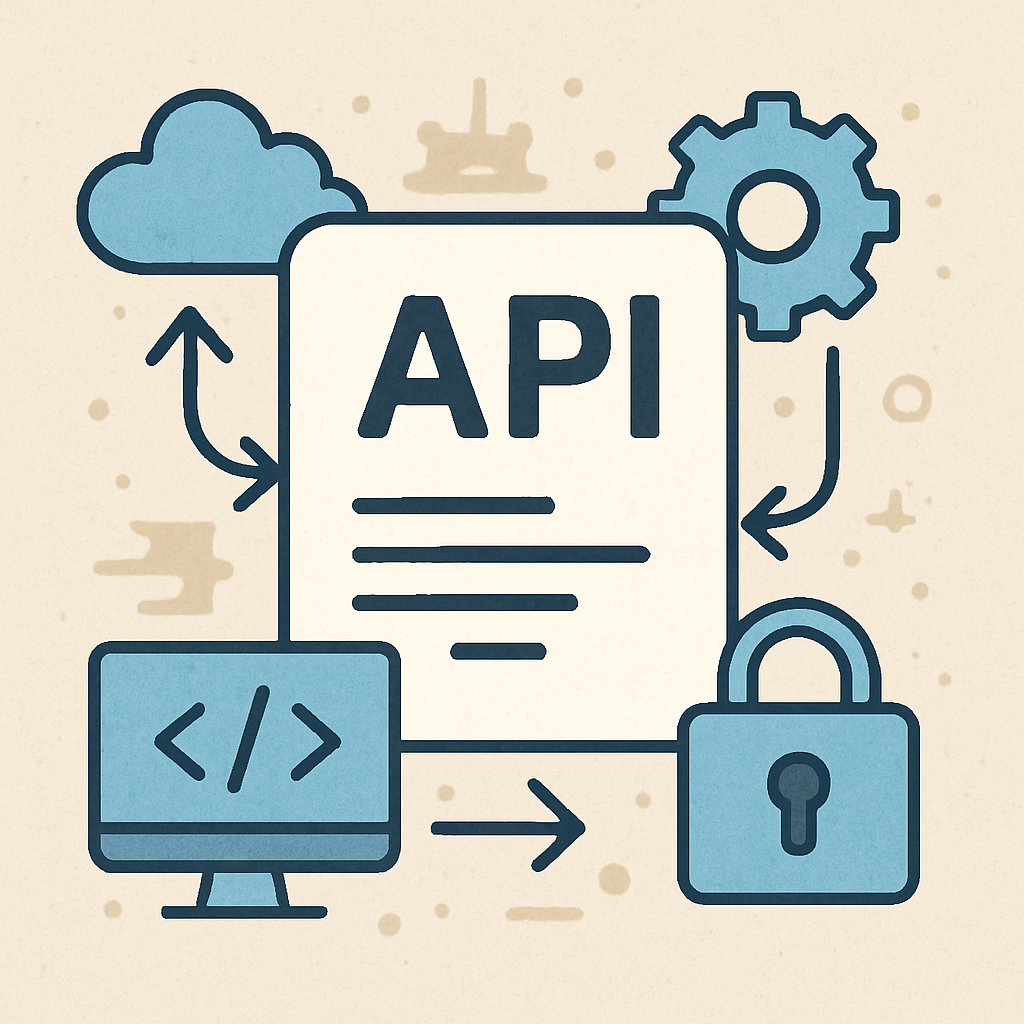
An API, or Application Programming Interface, is a set of rules and protocols that allows different software applications to communicate with each other. APIs serve as an intermediary, enabling different systems to interact with each other seamlessly. This interaction is crucial as software systems need to share data and functionality to provide comprehensive solutions.
The Functionality of APIs
APIs work by allowing applications to request data or services from other applications. Imagine a scenario where your favorite weather app fetches real-time updates. This is achieved through APIs that pull weather data from various sources, ensuring you receive accurate and timely information. Similarly, when you use an online payment gateway, APIs handle the secure transfer of your credit card details, ensuring a smooth transaction process.
Another example is social media integration. When you share content from one platform to another, APIs facilitate this interaction, enabling cross-platform functionality. In essence, APIs are the invisible threads that connect the digital world, ensuring your applications are not isolated but part of a larger, interactive ecosystem.
Types of APIs
There are several types of APIs, each serving different purposes:
- Open APIs: Also known as external or public APIs, these are available to developers and other users with minimal restrictions. They are intended for external users (e.g., Facebook API). Open APIs encourage external developers to access certain functionalities, promoting innovation and expanding the reach of the service provider’s ecosystem.
- Internal APIs: These are designed to be used within an organization. They allow different teams or systems within a company to share data and services. Internal APIs streamline operations by facilitating smooth data flow and service integration across departments, enhancing organizational efficiency.
- Partner APIs: These are shared with specific business partners. They are not public and require specific rights or licenses to access. Partner APIs are crucial for businesses that need to collaborate closely, as they offer controlled access to systems, ensuring security and privacy while enabling essential data sharing.
- Composite APIs: These combine multiple service and data APIs. They allow developers to access several endpoints in one call, reducing the number of requests needed. Composite APIs are especially useful in complex systems where multiple data sources need to be queried simultaneously, ensuring quicker response times and more efficient operations.

01Why Are APIs Useful?
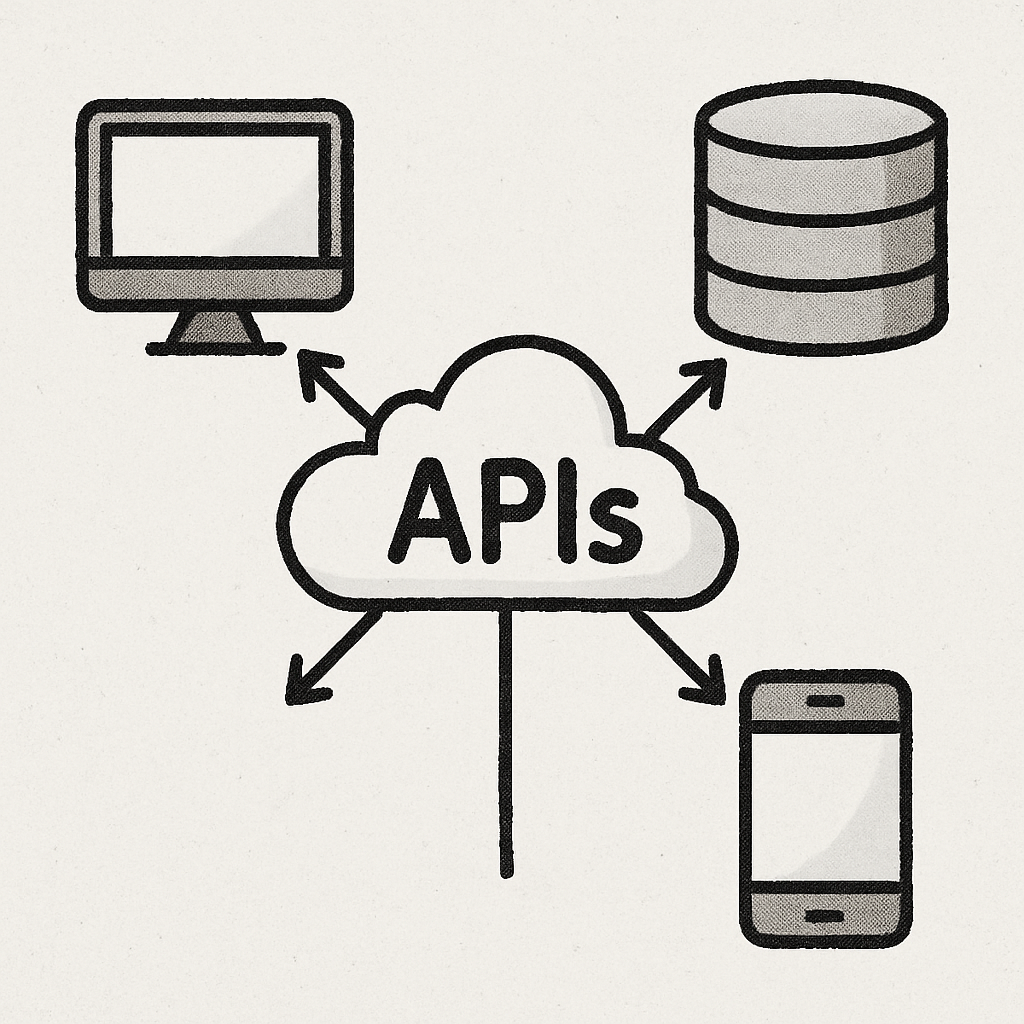
APIs are the backbone of modern software development, offering several key benefits:
Streamlining Operations
APIs allow different software systems to work together, streamlining operations and making it easier to integrate new technologies into existing systems. This is particularly important for IT managers looking to enhance operational efficiency. When systems can communicate effortlessly, processes become more efficient, reducing the need for manual intervention and minimizing errors.
Moreover, APIs facilitate automation, a key aspect of streamlining operations. By enabling software to perform tasks automatically, businesses can save time and resources. For instance, automated data entry through APIs reduces the need for repetitive manual tasks, allowing employees to focus on more strategic activities.
Encouraging Innovation
By providing access to a wealth of data and services, APIs encourage innovation. Developers can build new applications or enhance existing ones by leveraging the capabilities of other software systems. APIs act as building blocks, allowing developers to create unique solutions by combining various functionalities and data sets.
Access to diverse APIs empowers developers to experiment and innovate without reinventing the wheel. They can integrate existing services into new applications, accelerating development timelines and reducing costs. This fosters a culture of innovation, where developers can push boundaries and create cutting-edge solutions that meet evolving user needs.
Enhancing Flexibility
APIs offer flexibility, allowing organizations to adapt quickly to changes in the tech landscape. They enable the integration of new tools and services without the need to overhaul existing systems completely. This adaptability is crucial in a rapidly changing digital environment, where staying competitive requires agility and responsiveness.
With APIs, organizations can easily expand their service offerings, incorporating new features and functionalities as needed. This ensures they remain relevant and competitive, meeting customer demands and industry trends. APIs also facilitate scalability, allowing businesses to grow and evolve without being constrained by rigid, outdated systems.
Improving User Experience
By enabling seamless interactions between different software systems, APIs enhance the user experience. Applications can deliver more comprehensive and cohesive services, improving customer satisfaction. A well-designed API ensures that users have access to the data and services they need, when they need them, without unnecessary delays or complications.
APIs also enable personalization, allowing applications to tailor experiences based on user preferences and behaviors. This level of customization enhances engagement and loyalty, as users feel valued and understood. Ultimately, APIs contribute to a smoother, more intuitive user experience, driving higher satisfaction and retention rates.
02Getting Started with APIs: ApyHub
Now that you understand the importance of APIs, where can you get started? You can find many catalogs and repositories online. ApyHub, is such a place. It is a platform designed to help developers discover, get started and make the best out of APIs.

What is ApyHub?
ApyHub is a comprehensive platform and API marketplace that provides developers with the tools and resources needed to discover, understand and integrate APIs effectively. It is equally useful for junior and seasoned developers. ApyHub supports every API with documentation, tutorials, and support to guide you through the process. The platform makes API integration simpler, by breaking down complex concepts into manageable steps that anyone can follow.
Features of ApyHub
- Extensive API Library: ApyHub offers access to a wide range of APIs, covering various functionalities and industries. This library is continually updated, ensuring that you have access to the latest tools and technologies. This diversity allows developers to find the exact tools they need, whether they're building a fintech app or enhancing a healthcare platform.
- Detailed API Documentation: Understanding how to use an API is crucial. ApyHub provides detailed documentation for each API, including usage examples and best practices to help you get started quickly and efficiently. Comprehensive documentation ensures that developers can integrate APIs seamlessly, reducing the learning curve and potential errors.
- Developer Community: Join a thriving community of developers where you can share ideas, seek advice, and collaborate on projects. ApyHub's community is a valuable resource for troubleshooting and networking. Engaging with peers opens up new perspectives and solutions, enriching the development process and fostering innovation.
- User-Friendly Interface: ApyHub's interface is designed to be intuitive, making it easy for developers to navigate and find the resources they need. The goal is that developers spend more time building and less time searching for information, enhancing productivity and satisfaction.
Why Choose ApyHub?
ApyHub stands out as a go-to resource for developers because it simplifies the process of API discovery and integration. By providing access to a wealth of resources and a supportive community, ApyHub empowers developers to create innovative solutions quickly and efficiently. The platform's commitment to continuous improvement and developer support ensures that you always have the tools and guidance needed to succeed.
Choosing ApyHub means joining a forward-thinking community dedicated to leveraging the power of APIs. With its extensive resources, supportive environment, and focus on innovation, ApyHub is the ideal partner for developers aiming to excel in the dynamic world of software development.

03Conclusion
In conclusion, APIs are an essential component of modern software development, offering numerous benefits such as streamlined operations, enhanced flexibility, and improved user experience. As an IT manager, understanding and leveraging APIs can significantly enhance your organization's operational efficiency and innovation capabilities.
Platforms like ApyHub provide the necessary tools and resources for developers to get started with API integration. With its extensive library, detailed documentation, and supportive community, ApyHub is an invaluable resource for anyone looking to harness the power of APIs.
By embracing API technology and leveraging platforms like ApyHub, your organization can stay ahead of the curve in the ever-evolving tech landscape. APIs not only offer technical advantages but also open up new avenues for growth and collaboration, ensuring your organization remains competitive and innovative.
Explore the possibilities with APIs today and unlock new potential for your organization with ApyHub. Whether you're looking to enhance existing systems or build new, cutting-edge applications, ApyHub provides the support and resources you need to succeed in the digital age.